
In recent years, magnetic chargers — whether simple magnetic-tip cables or wireless magnetic charging pads — have grown in popularity. The appeal is obvious: plug once (or snap), then effortless charging without fiddling with ports. But as their use becomes widespread, many users wonder: “Are magnetic chargers safe for my phone/laptop over months and years?”
This article digs deep: we examine how magnetic charging works, identify real benefits, lay out the known risks (especially long-term effects), and give guidance on how to choose and use magnetic chargers in a safe, battery-friendly manner.
How Magnetic Chargers Work — Wired vs Wireless
Magnetic chargers generally come in two forms:
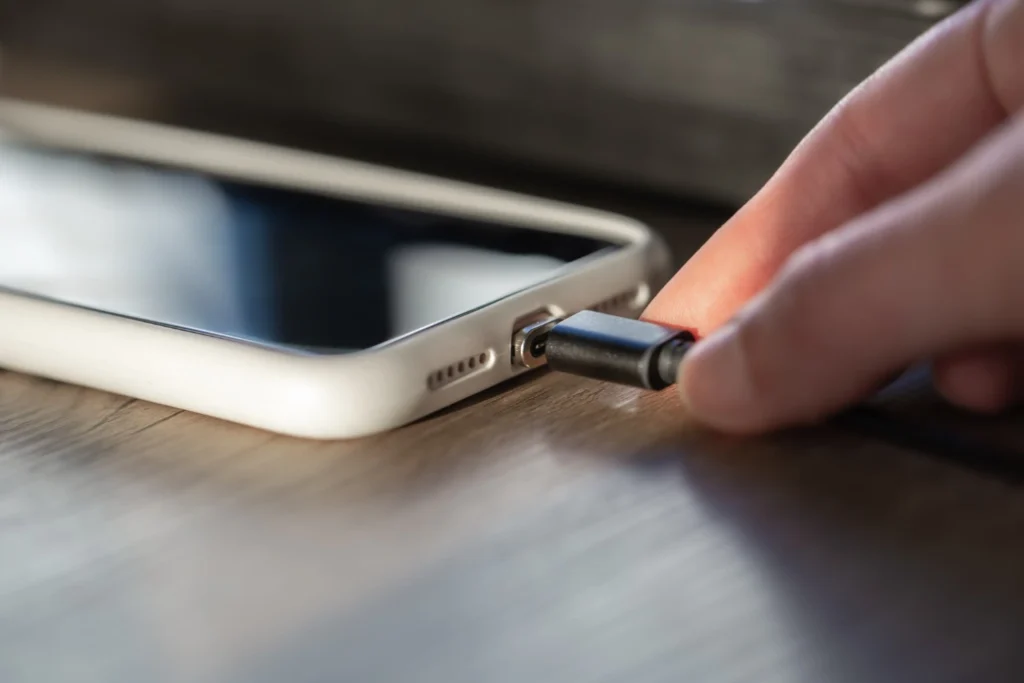
- Magnetic wired chargers — These use a small magnetic adapter tip permanently inserted (or often left) in the device’s charging port. The charging cable connects magnetically to that tip. The electricity still flows through physical wires; the magnet only helps connect/disconnect.
- Magnetic wireless chargers (inductive) — In setups like MagSafe or Qi-style magnetic pads, charging is done via inductive coils: power transfers wirelessly through a small magnetic field and electromagnetic induction.
The difference matters: wired magnetic chargers typically behave like regular cables (with the magnet just replacing the plug/unplug friction), while wireless magnetic chargers introduce more energy conversion overhead — often producing more heat, but offering contactless, cable-free charging.
Pros of Magnetic Chargers
Reduced Wear on Charging Ports
Plugging and unplugging standard cables repeatedly wears down charging ports. Over time, this may lead to looseness, misalignment, or even port failure. Magnetic tips — especially on wired magnetic cables — remain lodged in the port, reducing mechanical stress significantly. This helps prolong the lifespan of your device’s port.
Convenience & Ease of Use
One of the biggest advantages is ease of connection — snap the cable on magnetically, no need to align precisely. This becomes especially helpful in low-light conditions or if you often charge/unplug multiple times a day. Many users find magnetic charging more user-friendly.
Port Protection — Less Risk of Cable Damage
Traditional cables often get frayed, or the connector ends get bent. Magnetic cables frequently use reinforced, braided outer sheathing and sturdy magnetic adapters — which tend to be more durable in daily use.
Common Concerns & Risks
Despite the benefits, magnetic chargers are not perfect. Several risks — especially when used improperly or with cheap/unreliable products — can affect device safety and battery health.
Heat Generation & Overheating Risk
Magnetic wireless chargers (inductive charging) often produce more heat than wired charging. Energy conversion inefficiency, coil resistance, and misalignment can elevate temperatures. Elevated battery temperature — especially sustained — significantly speeds up degradation of lithium-ion cells.
Even some wired magnetic cables, if poorly made, can generate heat due to inefficient contacts or power regulation.
Battery Health & Long-Term Degradation
Because of heat and potential charging inefficiencies, magnetic charging may cause battery capacity degradation over time — especially if used constantly (e.g. daily overnight wireless charging). Some sources note slight but noticeable drops in battery health over weeks/months in certain cases.
Connector Exposure — Dust, Debris & Corrosion Risk
Magnetic-tipped cables often have exposed metal contacts. In dusty or humid environments, dust or metal particles can accumulate — which may cause poor contact, unstable charging, short-circuits, or corrosion. This is especially a concern in regions with dust, humidity, or metal-laden air.
Power / Wattage / Charging Speed Limitations
Not all magnetic chargers support high wattage or fast charging. Many top out at 15–30 W — fine for smartphones but inadequate for laptops, power-hungry tablets, or fast charging expectations. Data transfer speeds may also be lower in some magnetic cables (USB 2.0 vs USB 3.x).
Device Compatibility & Lack of Standardization
Magnetic charging is not a universal standard. While some products follow proprietary standards (like MagSafe or newer wireless standards), many third-party magnetic cables/adapters do not adhere strictly to official specs. This can lead to incompatibility, unstable charging, or even damage — and often such products are outside warranties.
What Recent Research & Expert Guidance (2024–2025) Say
- Some recent analyses emphasize heat as the main concern: inductive (wireless) magnetic charging tends to raise device temperature more than wired charging, which can accelerate battery wear.
- Battery-health studies suggest that when used properly, magnetic charging does not inherently shorten battery life — the fundamental limiting factor remains charge cycles and thermal stress, not the presence of a magnet.
- Many trusted sources note that connector quality matters most: a well-engineered magnetic cable with proper insulation, current regulation and safety protections can be as safe as a standard wired charger.
- On the flip side, uncertified or poorly designed magnetic cables/adapters — especially cheap third-party ones — pose real risks of short circuits, unstable charging, overheating, and port corrosion.
How to Choose a Safe Magnetic Charger — Buyer Checklist
If you plan to use a magnetic charger long-term, consider the following criteria to pick a safe, reliable one:
✅ Certifications & Safety Standards — look for certified chargers (CE, FCC, RoHS, or vendor certification) rather than cheap knock-offs.
✅ Power Output & Protocol Support — ensure the charger supports proper wattage (PD / QC) and stable voltage regulation.
✅ Build Quality & Materials — prefer braided cables, solid magnetic tips, well-insulated connectors, sealed contacts (especially for exposure to dust/water).
✅ Temperature / Overheat / Short-Circuit Protections — good chargers include thermal sensors, over-current and surge protection, sometimes foreign-object detection (especially for wireless magnetic pads).
✅ Proper Match for Device — check that the charger (magnetic wired or wireless) is compatible with your device, port type, and power requirements.
✅ Regular Inspection & Maintenance — clean connectors, avoid moisture/dust exposure, and avoid charging under heavy load (like gaming) for long sessions.
Best Practices for Using Magnetic Chargers Safely
🔌 Use a high-quality magnetic wired charger for daily charging rather than relying on wireless magnetic pads for overnight charging.
⚠️ Avoid using the phone heavily (gaming, streaming) while charging magnetically — as this adds load + heat.
🌡️ Charge in a cool, ventilated environment (avoid sunlight, hot cars, direct heat) to minimize thermal stress.
🧼 Clean the magnetic tip and connectors periodically — especially if you’re in dusty or humid environments.
🔋 Unplug once fully charged — don’t leave the charger connected unnecessarily for hours.
📱 Monitor battery health over time (many smartphones provide battery health info) — if you notice accelerated degradation, consider switching charging habits.
My Verdict: Are Magnetic Chargers Safe for Long-Term Use?
Yes — but with conditions.
- A high-quality, certified magnetic wired charger can be as safe as (or in some ways safer than) a traditional charger: less wear on ports, convenient, and with comparable battery longevity.
- Magnetic wireless chargers are okay if used occasionally (for convenience), but relying on them daily — especially overnight — can accelerate battery wear due to heat and charging inefficiency.
- Low-quality magnetic cables or uncertified adapters carry real risks: overheating, unstable charging, corrosion, possible short-circuits.
Bottom line: magnetic charging is a tool — when chosen and used thoughtfully, it works well and safely. If you treat it as a quick-fix or buy cheap accessories indiscriminately, you may face issues.
8 Best Magnetic Low Risk Charger That You Can Buy
Baseus MagPro 2-in-1 25W Magnetic Wireless Charger
A versatile 2-in-1 magnetic charger that can power up your phone and earbuds (or TWS) at the same time. Foldable, compact, and supports up to ~15W wireless output for phones. Great for iPhone + AirPods setups; price around BDT 4,850 (~ USD $50–60 depending on region).
UGREEN CD245 (30233) 15W Magnetic Wireless Charger
A minimalist, budget-friendly magnetic wireless pad (output up to 15 W) ideal for daily charging of smartphones (Qi / MagSafe compatible) and small devices. Often priced around BDT 2,500–2,750.
UGREEN 45025 3-in-1 25W Magnetic Wireless Charger
For users with multiple devices (phone, earbuds, smartwatch). It offers magnetic alignment, multi-device simultaneous charging, and up to 25 W capability (depending on output configuration). A good pick for a clean charging station at home or office.
UGREEN CD345 15W Magnetic Magnetic Wireless Car Charger
A magnetic wireless charger designed for car use. With 7.5 W / 15 W output and strong magnet mount (N52-class magnets), this is ideal if you want stable charging on the go in your car. Useful especially for rideshare users or frequent travelers.
Belkin UltraCharge 2-in-1 Foldable Qi2 25W Magnetic Charger
Compact, foldable magnetic charger notebook-style. Supports up to 25 W Qi2 wireless charging for newer devices and is travel-friendly. Great if you want a portable magnetic charger for commuting or travel.
Belkin UltraCharge Pro 3-in-1 Magnetic Charging Dock 25W Qi2
Premium multi-device dock for desk or bedside: charges your smartphone, earbuds, and a smartwatch (or extra device) simultaneously. Qi2 25 W charging for compatible phones — good for a clean, all-in-one charging hub at home.
Anker MagGo 3‑in‑1 Magnetic Wireless Charger Stand (Qi2)
A 3-in-1 charging station (phone + earbuds + watch) — foldable, relatively portable, and designed with strong magnetic alignment (Qi2 / MagSafe-compatible). Popular pick in 2025 for Apple-centric setups or multi-device households.
Anker MagGo Magnetic Wireless Charging Pad 15W Qi2
A simple magnetic charging pad with 15 W output — ideal if you just need a no-frills, reliable magnetic pad for everyday charging at home or office. Good value for baseline magnetic wireless charging.
FAQ — Common Reader Questions
Q: Do magnets in magnetic chargers damage the phone’s battery or storage?
A: No — the magnets used in charging cables or pads are too weak to interfere with battery chemistry, data storage, or other internal components.
Q: Will magnetic charging overheat my phone?
A: It can — especially with wireless (inductive) magnetic charging. Heat comes from energy conversion inefficiency, coil resistance and alignment issues. Using a high-quality charger and avoiding charging under heavy use reduces this risk.
Q: Is it safe to leave magnetic charger connected overnight?
A: With a good charger, modern phones’ battery-management systems and the charger’s “trickle-charge” or auto-stop features usually prevent overcharging. But overnight wireless charging still produces heat, which may slowly degrade battery health over time.
Q: Are all devices compatible with magnetic chargers?
A: No. Not all devices support magnetic charging — and many magnetic adapters are unofficial. Compatibility and charging stability depend on device + charger support. Always check specs before buying.
Q: How do I know whether to go for a magnetic wired cable or magnetic wireless pad?
A: Use magnetic wired cables if you want maximum safety, efficiency, and battery health preservation. Use wireless magnetic pads for occasional convenience (e.g. topping up), but avoid making them your primary charging solution — especially overnight.
Conclusion
Magnetic chargers are not magic — but with proper design, good quality, and responsible usage, they can be a safe, convenient, and port-friendly way to charge your devices. The biggest threats come from heat, poor build quality, and unsafe charging behaviors, not the magnet itself.
If you pick a trusted magnetic charger, monitor charging conditions, and practice good habits — magnetic charging can work for years with minimal downside. But if you choose cheaply-made, uncertified accessories and ignore proper care — expect possible battery degradation, port issues, or even device damage.
Use magnetic charging wisely. Think of it as a modern convenience — not a guarantee.