
In today’s digital-first world, simply having a website isn’t enough, especially for businesses rooted in a specific community. You could have the most incredible product or service, but if your target customers can’t find you when they search locally, you’re leaving opportunities on the table. This is where Local SEO becomes your most valuable ally. It’s about more than just showing up; it’s about being the top choice for those actively seeking what you offer, right in their neighborhood.
This comprehensive guide will walk you through the essentials of geo-targeting and demystify the recent SEO updates that are reshaping how local businesses connect with their audience. Get ready to transform your online visibility and attract more ready-to-buy customers through intelligent local search strategies.
The Power of Geo-Targeting: Connecting with Your Local Audience
Think about how you search for a restaurant or a plumber. Chances are, you include “near me” or your city name in the query. That’s geo-targeting in action. It’s the art and science of optimizing your online presence to attract customers within a specific geographical area. For any local business, ignoring geo-targeting is akin to opening a store and hiding it behind a billboard – people simply won’t know you’re there.
What is Geo-Targeting and Why it Matters
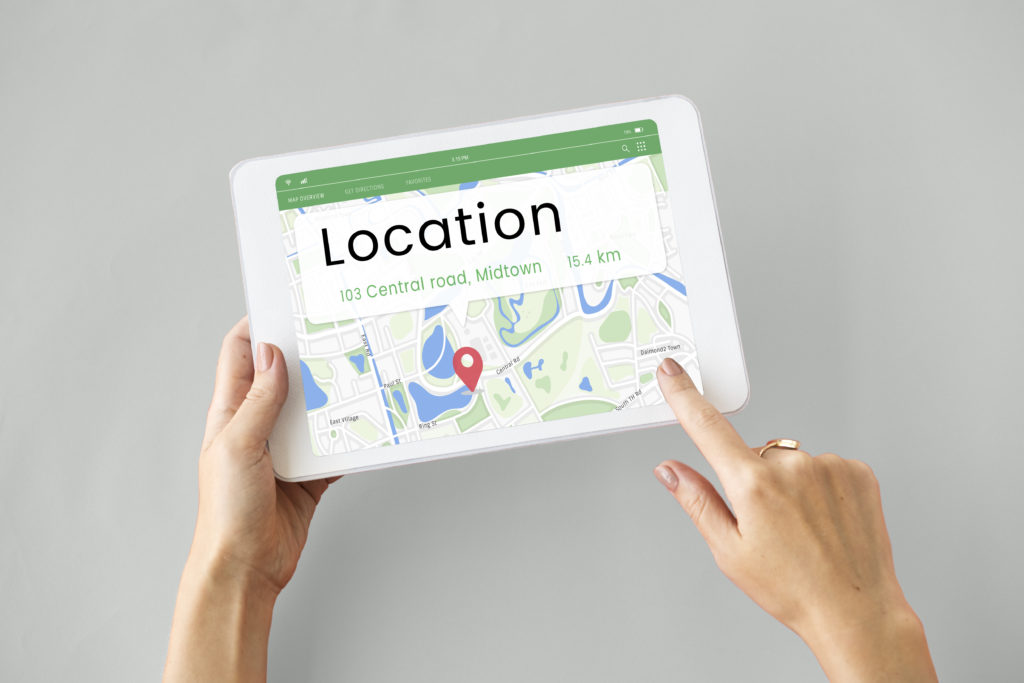
Geo-targeting leverages location-based data to deliver relevant content and advertising to users based on their geographical position. For small to medium-sized businesses, this means focusing your SEO efforts on reaching the right people in the right place. It’s about precision, not just presence. When someone searches for “best coffee shop [your city],” you want to be among the first results, drawing them directly to your door.
Practical Strategies for Local Domination
The cornerstone of any successful local SEO strategy is a fully optimized Google Business Profile (formerly Google My Business). This free tool allows you to list your business information, hours, services, and photos directly on Google Search and Maps. Ensure all information is accurate, consistent, and regularly updated. Beyond this, a robust strategy includes:
- Local Keyword Research: Identify terms potential customers use when searching for your services locally (e.g., “bakery downtown,” “emergency plumber Brighton”).
- Building Local Citations: Ensure your Name, Address, and Phone Number (NAP) are consistent across all online directories like Yelp, Yellow Pages, and industry-specific sites.
- Local Content Creation: Develop blog posts or service pages that speak directly to local issues or events.
Navigating the Evolving Landscape: Recent SEO Updates and Their Local Impact
The world of SEO is constantly changing, with Google regularly rolling out updates to its algorithms. Understanding these shifts is crucial for maintaining and improving your local rankings. These updates aren’t just for national brands; they significantly impact how local businesses are discovered.
Core Web Vitals and Page Experience in a Local Context
Google’s focus on user experience has intensified with Core Web Vitals. These metrics measure loading performance, interactivity, and visual stability. For local search, this means your website needs to be fast and user-friendly, especially on mobile devices. A potential customer searching for your business while on the go won’t wait for a slow site to load; they’ll simply go to your competitor. Optimize images, minify code, and ensure your hosting is robust.
E-E-A-T and Local Expertise
Experience, Expertise, Authoritativeness, and Trustworthiness (E-E-A-T) are more important than ever. For local businesses, this translates into demonstrating your deep understanding of local needs and offering credible, reliable services. Showcase customer testimonials, certifications, awards, and employee bios that highlight their local ties and expertise. Building genuine trust within your community will always pay dividends in local search.
YouTube Video: Google’s E-E-A-T Explained for Local Business
The Rise of AI in Local Search
Artificial intelligence is increasingly influencing how search engines interpret queries and deliver results. Google’s AI understands nuances in language, local intent, and even conversational search. This means focusing on natural language in your content, answering common local questions, and optimizing for voice search queries like “find a pizza place near me that’s open now.”
Advanced Tactics for Sustained Local Dominance
Once you’ve mastered the fundamentals, it’s time to implement more sophisticated strategies to maintain your competitive edge in local search. These tactics help build stronger community ties and improve your overall digital footprint.
Local Link Building and Community Engagement
Earning backlinks from other reputable local businesses, community organizations, or local news outlets signals authority to Google. Sponsor local events, collaborate with non-profits, or offer expert advice to local publications. These efforts not only build links but also strengthen your brand’s presence within the community, fostering a positive reputation.
Monitoring and Adapting to Local Trends
Local SEO isn’t a set-it-and-forget-it strategy. Regularly monitor your Google Business Profile insights, local search rankings, and competitor activities. Are new businesses popping up? Are there seasonal trends impacting local searches for your industry? Staying agile and adapting your strategy based on performance data and local market shifts is key to long-term success. Continuous optimization ensures you remain relevant.
Comparison: Organic Local SEO vs. Paid Local Search
| Feature | Organic Local SEO | Paid Local Search (Local Service Ads/Google Ads) |
|---|---|---|
| Cost | Time & effort investment | Pay-per-click/lead |
| Visibility | Sustained, builds authority over time | Immediate, top of search results |
| Trust Factor | Often perceived as more credible | Clear advertising, but can be highly targeted |
| Speed of Results | Slower, long-term gain | Instant traffic and leads |
Frequently Asked Questions About Local SEO
Q1: How long does it take to see results from Local SEO?
A1: Local SEO is a long-term strategy. While some improvements can be seen within weeks, significant ranking changes and increased organic traffic typically take 3-6 months, depending on competition and consistency of efforts. Patience and persistent optimization are crucial.
Q2: Is a website absolutely necessary for Local SEO?
A2: While a robust Google Business Profile can get you far, a well-optimized website significantly enhances your Local SEO efforts. It provides a platform for detailed content, better user experience, and more opportunities for keyword targeting and link building, giving you greater control over your online presence.
Q3: How often should I update my Google Business Profile?
A3: You should review and update your Google Business Profile regularly, ideally monthly. This includes updating photos, posting offers, responding to reviews, and ensuring business hours are correct, especially during holidays or special events. Active management signals to Google that your business is relevant and current.
Conclusion
Mastering Local SEO and understanding geo-targeting isn’t just a trend; it’s an essential strategy for any business looking to thrive in its local market. By consistently optimizing your Google Business Profile, creating local-centric content, adapting to crucial SEO updates like Core Web Vitals and E-E-A-T, and engaging with your community, you can significantly enhance your online visibility. Start implementing these strategies today, and watch your local customer base grow. Start Your Local SEO Journey Today