


In an era where flexibility defines the modern workforce, identifying the must-have remote work essentials is key to thriving whether you’re based in the US or anywhere globally. As remote work continues to evolve, with projections showing 32.6 million Americans—about 22% of the workforce—working remotely by 2026, equipping yourself with the right tools ensures productivity, comfort, and balance.
Globally, 27% of full-time employees are fully remote, while 52% operate in hybrid models, highlighting the universal need for adaptable setups.
From ergonomic furniture to cutting-edge gadgets, these must-have remote work essentials cater to diverse needs, whether you’re a US-based freelancer in California or a global nomad in Europe.
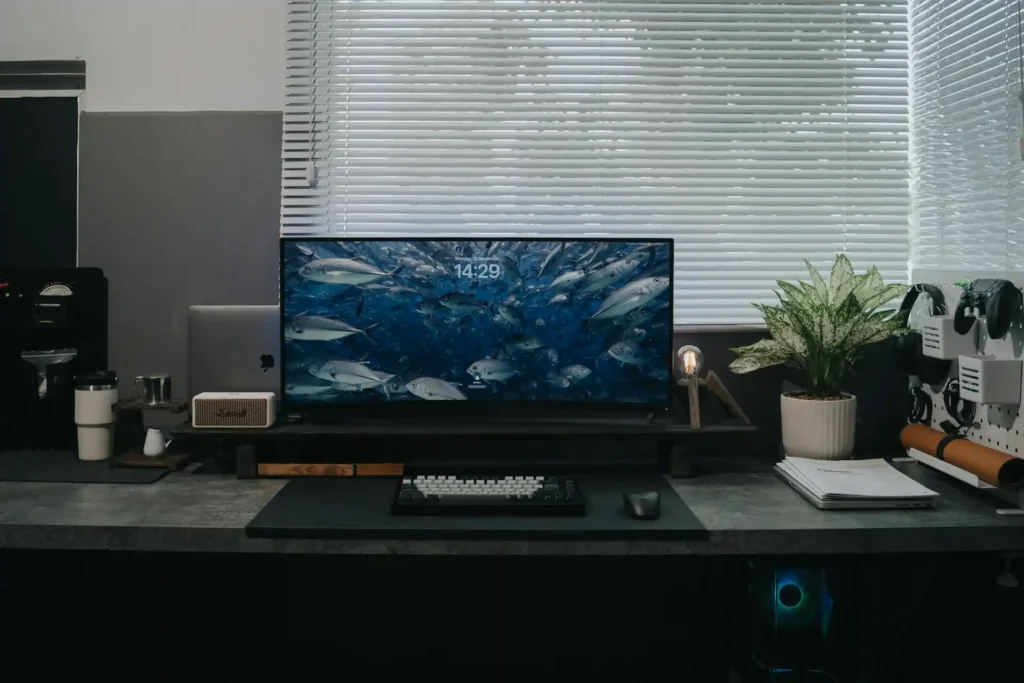
Why You Need These Must-Have Remote Work Essentials
Understanding the importance of must-have remote work essentials starts with recognizing their impact on well-being and efficiency. In 2026, amid “hybrid creep”—where companies increase in-office days—remote setups become a perk, with 76% of workers ready to quit if flexibility is revoked. For US audiences, this means combating burnout, as remote workers report 20% higher productivity but face isolation risks. Globally, in regions like Asia or Latin America, where remote adoption lags at 15-20%, these essentials bridge connectivity gaps.
Regular updates to your setup can prevent ergonomic issues, with 40% of remote workers citing back pain as a concern. By focusing on must-have remote work essentials, you invest in sustainability—think eco-friendly items that reduce e-waste, appealing to global eco-conscious users.
Essential Furniture for Your Home Office
The foundation of any remote setup lies in furniture, a core category of must-have remote work essentials. Start with an ergonomic chair, adjustable for height and lumbar support, to combat the sedentary lifestyle affecting 80% of hybrid workers. In the US, where average workdays stretch to 8.5 hours, models like those with breathable mesh prevent overheating.
A standing desk follows, allowing seamless sit-stand transitions. Recent data shows 30% of companies reducing remote options, making versatile desks crucial for hybrid transitions. Globally, in space-constrained apartments common in Europe, compact foldable versions shine. Add a footrest for circulation, often overlooked in competitor guides like Dezctop’s, which skimps on global adaptability.
Don’t forget lighting: Adjustable LED lamps reduce eye strain, with blue-light filters essential for late-night workers in time zones differing from US hubs. This section fills gaps by emphasizing affordability—budget options under $200—for entry-level remote pros worldwide.
Watch this YouTube video for setup tips:
It visually demonstrates ergonomic arrangements, enhancing understanding beyond text.
Must-Have Technology and Gadgets
Technology forms the backbone of must-have remote work essentials, evolving rapidly in 2026. A lightweight laptop with at least 16GB RAM handles multitasking, vital as AI integration dominates trends. For US users, prioritize models with strong battery life for power outages; globally, opt for durable ones resisting travel wear.
Noise-cancelling headphones, like Bose or Sony, block distractions—key since 34% of hybrid workers now attend offices four days weekly. A portable monitor extends your screen, boosting efficiency by 42% per studies. Competitors like Carryology focus on nomads but miss home-based tech, like multi-port hubs for seamless device switching.
Include a reliable webcam and microphone for clear calls, with 85% of job seekers prioritizing remote-friendly roles. For global audiences, VPNs ensure secure connections in varying infrastructures.
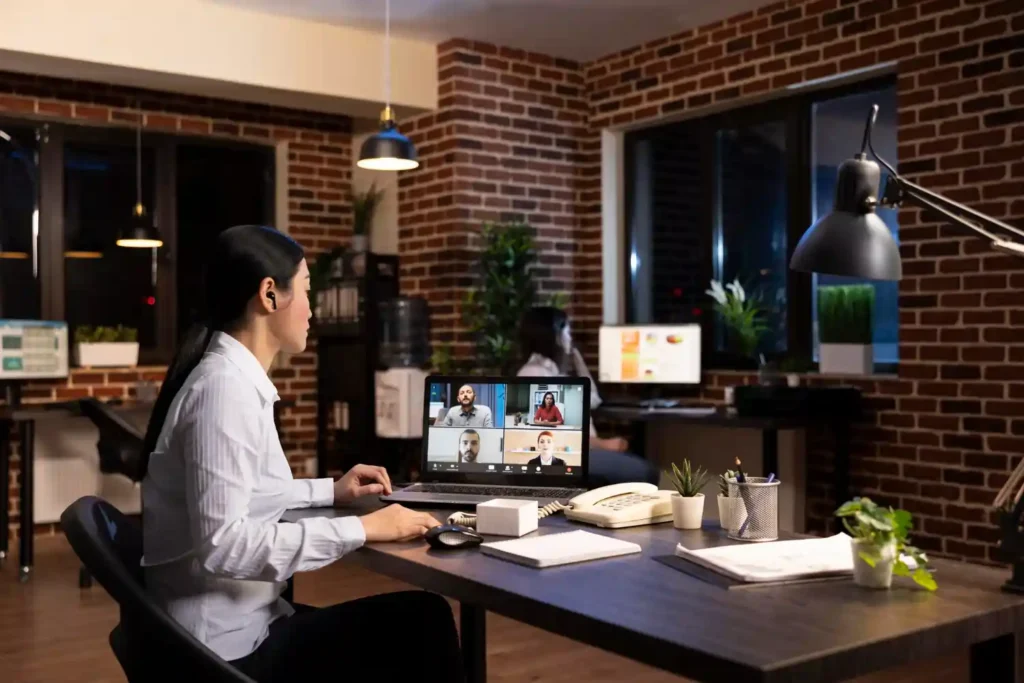
Explore this video:
It covers communication tools, addressing competitor shortcomings in practical demos.
Accessories for Productivity and Comfort
Enhance your workflow with accessories, underrated must-have remote work essentials. A laptop stand promotes better posture, reducing neck strain—a gap in Articulate Marketing’s tips. Wireless keyboards and mice offer freedom, with ergonomic designs suiting prolonged use.
Cable management tools keep desks tidy, while a surge protector safeguards gear. For productivity, a timer app or physical desk clock aids focus sessions. Globally, portable chargers are lifesavers in unreliable power areas, unlike US-stable grids.
Competitors like Wakeupstoked touch on minimalism but lack integration with 2026 trends, like AI-assisted organizers.
Self-Care Items to Stay Healthy
Self-care is non-negotiable among must-have remote work essentials, combating isolation affecting 20% of remotes. A reusable water bottle encourages hydration, with smart versions tracking intake. Plants improve air quality and mood, ideal for US home offices or global co-working spaces.
Blue-light glasses protect eyes, while a mug warmer keeps beverages hot during long calls. Add a throw blanket for comfort in varying climates. This addresses Indeed’s self-care section but adds global flair, like aromatherapy for stress in high-pressure regions.

Essentials for Digital Nomads and Travel
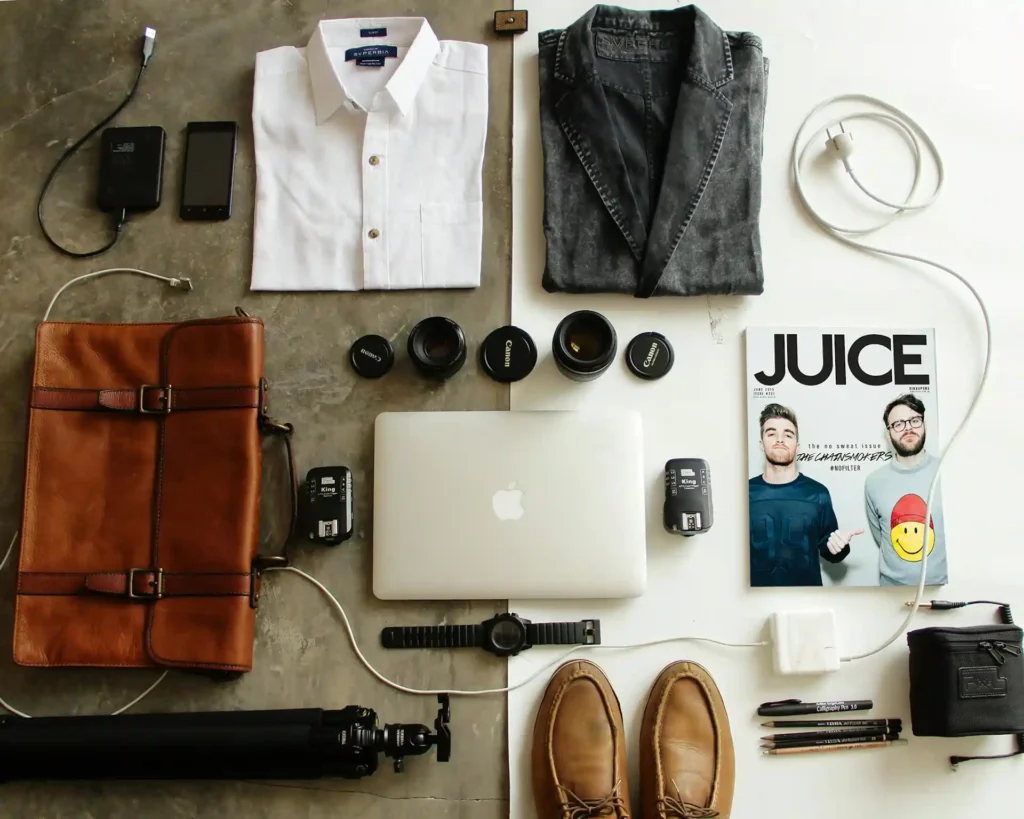
For mobile workers, must-have remote work essentials include travel adapters supporting multiple plugs, crucial as 73% of teams will have remotes by 2028. A secure backpack with anti-theft features protects gear.
Packing cubes organize, while a mobile hotspot ensures connectivity. Globally focused, this fills gaps in US-centric lists like HGS USA’s.
Check this video:
Best Apps and Software for Remote Work
Software elevates must-have remote work essentials. Zoom for meetings, Slack for communication—essentials as remote grows. Productivity tools like Trello or Asana track tasks.
VPN and cloud storage secure data, vital globally. Competitors like Career Gappers list apps but ignore 2026 AI integrations for automation.
Tips for Setting Up Your Remote Workspace
Optimize with these tips: Assess space, budget under $500 for basics. Test ergonomics, incorporate breaks. For global users, consider time zones in scheduling.
This proactive advice surpasses passive lists in BuzzFeed.
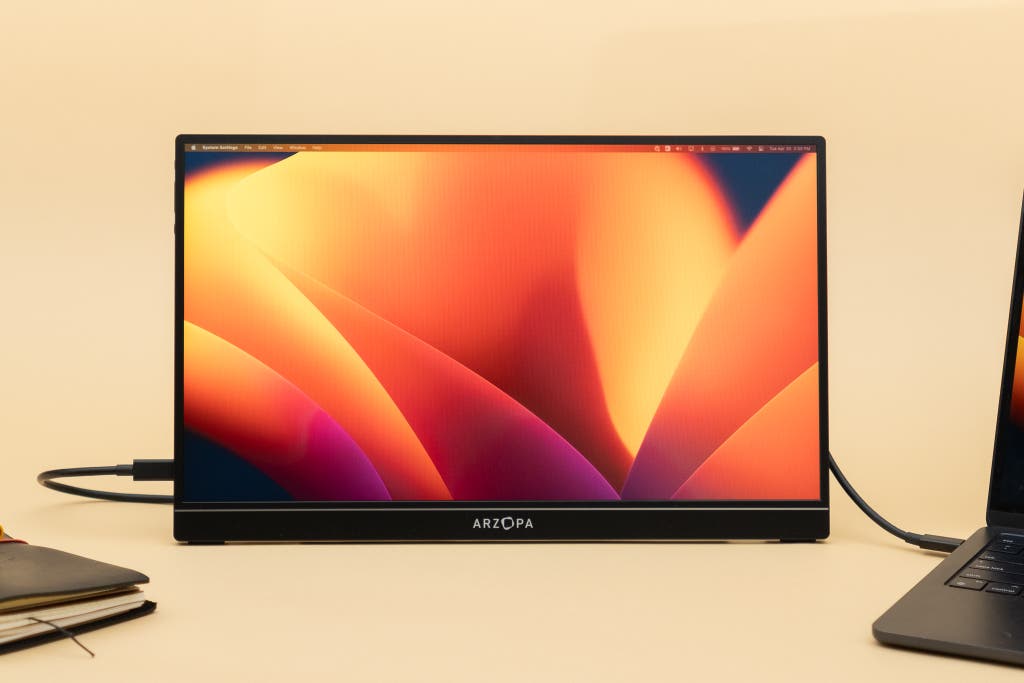
Image Credit: The New York Times Wirecutter
Frequently Asked Questions
How fast should my internet be for remote work in 2026?
A minimum of 200 Mbps down with decent upload speeds is ideal, and symmetrical plans are better for heavy uploads and video conferencing. Wired Ethernet offers the most reliable connection.
Do I need specialized security tools if I work alone?
Yes. Use a password manager, MFA, encrypted backups, and endpoint protection even as a solo worker. These prevent common breaches and protect client data.
Are sit-stand desks necessary for remote work?
They are not mandatory but highly recommended. Alternating posture reduces pain and increases energy, improving overall productivity.
Which collaboration tools should small teams prioritize?
Small teams should pick one communication tool, one project tracker, and a shared document platform to reduce context switching. Standardization helps teams work faster and with less friction.
Is AI software a must-have in 2026 remote setups?
AI tools are increasingly useful for summarizing meetings, drafting content, and automating tasks. They are not mandatory but can significantly boost efficiency if used responsibly.
Conclusion
What Are the Must-Have Remote Work Essentials in 2026? boils down to reliable hardware, rock-solid connectivity, strong security, ergonomic habits, and the right software. Prioritize devices and services that reduce friction and protect data, and pair them with clear routines and boundaries. Start by upgrading the one weakest link in your setup, document your systems, and iterate.
Try one change this week—swap to a wired connection, schedule a standing break, or enable MFA—and watch how small improvements add up.
Share your results, ask questions, or subscribe for deeper guides and checklists.