

Yes. AI content can help or hurt SEO depending on quality and intent.
Most teams ask this because the stakes are real. I’ve helped brands scale traffic with smart AI workflows, and I’ve also seen rankings collapse after thin, duplicate AI pages. Does AI content affect SEO ranking? It does, but not because it is AI. It’s because search engines reward helpful, accurate, and trusted content. This guide breaks down how to win with AI content, avoid traps, and build lasting search visibility.
What search engines actually say about AI content and ranking
Search engines care about value, not the tool. The official line is clear: helpful, reliable content can rank whether it is written by a person or generated with AI. Low-quality content, spam, and manipulative behavior can get filtered or devalued.
Does AI content affect SEO ranking? Yes, when the content fails to meet intent, lacks expertise, or repeats what is already indexed. It can also boost rankings when it delivers better answers, clearer structure, and richer coverage than rivals.
From my audits, the key drivers are usefulness, accuracy, originality, and user signals. If your AI content lifts these, you will see gains. If it weakens them, you will feel it in the charts.

How AI content affects ranking signals
The ranking story comes down to signals. Search engines weigh how well content satisfies the query, and how users respond to it.
Key ways AI content touches core signals:
- Relevance: Good prompts and outlines help cover the full intent. Poor prompts miss the mark, which lowers relevance.
- Quality: Fact checks, edits, and expert review raise quality. Unchecked AI outputs lower trust.
- Originality: AI can sound generic. Add data, quotes, and unique angles to stand out.
- E-E-A-T: Experience, expertise, authoritativeness, and trust need proof. Show who wrote it, why they know the topic, and what sources back claims.
- Engagement: Clear structure, short sentences, and useful visuals reduce bounce and boost dwell time.
Does AI content affect SEO ranking when these signals improve? Yes, often fast. Does AI content affect SEO ranking when it spawns thin pages at scale? Yes, and the impact is usually negative.

Risks of AI content for SEO
AI is a power tool. Use it wrong and it can harm your site.
Common risks I see in audits:
- Hallucinations: AI can invent facts. This erodes trust and can trigger corrections from users.
- Duplicate patterns: Many AI tools produce similar phrasing. That can lead to sameness across the web.
- Thin content: Short, surface-level summaries often fail against strong competitors.
- Wrong intent: If the page misses user goals, it will not rank well.
- Policy issues: Unlabeled sponsored content or scraped data can cause trouble.
Does AI content affect SEO ranking when these issues show up? Yes. It leads to lower quality scores, poor engagement, and less crawl priority over time.

How to use AI content to improve rankings
You can get great results with the right workflow. Here is the playbook I use with clients.
Plan with clarity
- Map search intent for each query. Define the job the page must do.
- Build an outline that covers questions, examples, and objections.
- Decide what human insight or data the page will include.
Draft with control
- Use AI to produce a first draft that follows the outline.
- Ask for multiple angles, FAQs, and examples to ensure depth.
- Generate meta tags, headings, and schema suggestions as a start.
Edit with expertise
- Add first-hand experience, case data, quotes, and sources.
- Fix tone, simplify sentences, and remove fluff.
- Verify facts and update any timelines or stats.
Enrich the page
- Add custom visuals, code snippets, and step-by-step guides.
- Use internal links that match user paths.
- Add author bios and review stamps to support E-E-A-T.
Publish and monitor
- Track rankings, clicks, dwell time, and conversions.
- Improve sections with weak engagement or low CTR.
Does AI content affect SEO ranking when you follow this process? Yes, in a good way. Does AI content affect SEO ranking without human review or real value add? Yes, often in a bad way.
Measurement and testing: prove the impact
You cannot manage what you do not measure. Use controlled tests to see what works.
How to run clean tests
- Pick pages with mid-level traffic so you can see movement.
- Change one thing at a time, like adding expert insights or new FAQs.
- Track a baseline for two to four weeks, then compare results.
Metrics that matter
- Query coverage: Are you satisfying all subtopics?
- CTR: Do your titles and descriptions earn the click?
- Engagement: Do users stay, scroll, and interact?
- Conversions: Do pages drive revenue or leads?
Does AI content affect SEO ranking when tests show higher engagement and better coverage? Yes. Keep what works and roll it out in stages.

Real-world lessons from the field
I have seen both sides.
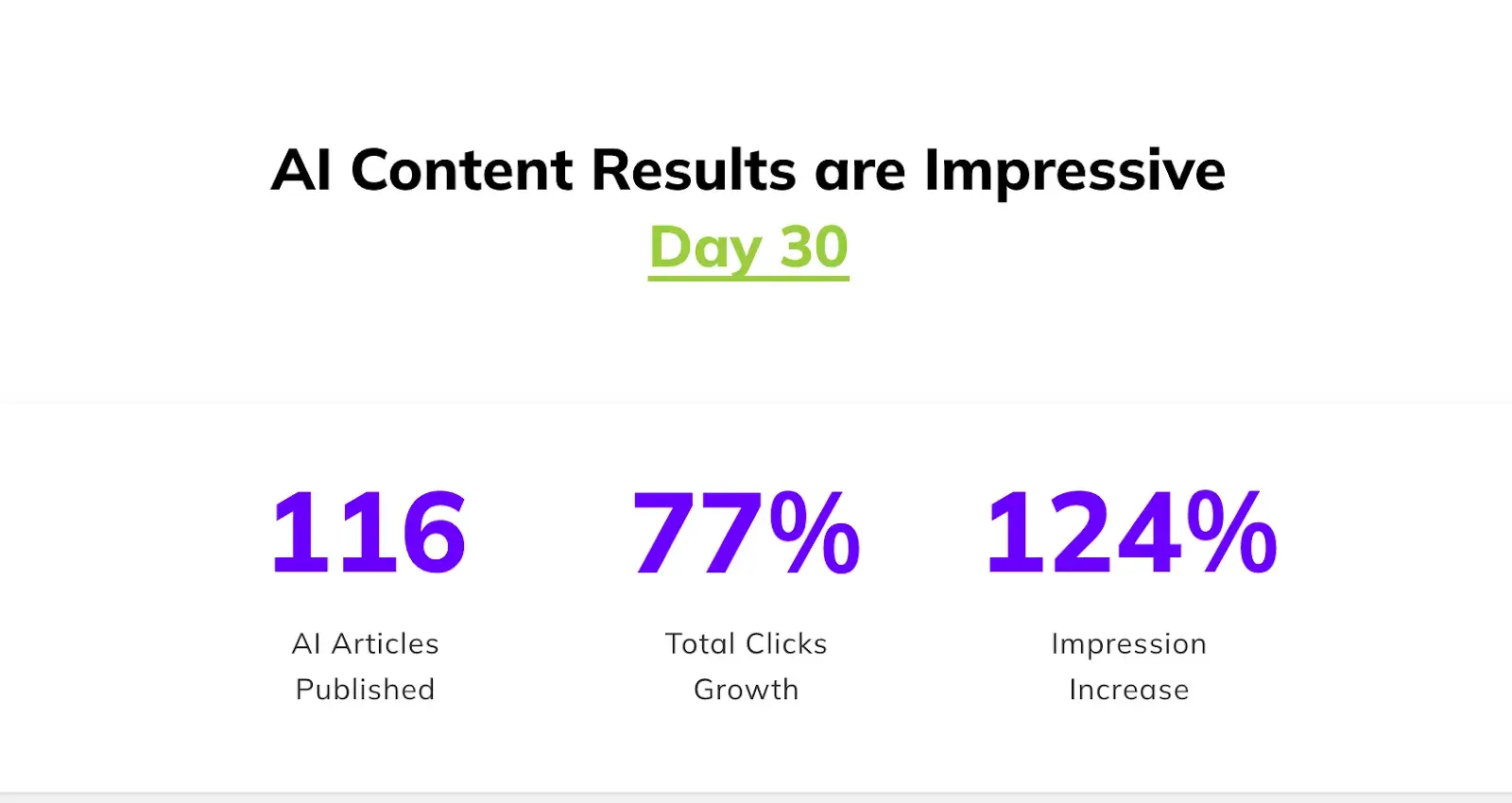
A finance blog used AI to draft 200 articles in a month. They skipped expert review. Traffic spiked for a week, then fell as users bounced and corrections piled up. When they rewrote with certified advisors and added examples, rankings came back within two updates.
A B2B SaaS site used AI to build outlines and FAQs, then had product managers add screenshots and real workflows. They doubled non-brand clicks in three months. Does AI content affect SEO ranking? In both cases, yes—but the human layer made the difference.
My rule: AI drafts speed you up. Human insight wins the race.
Compliance, ethics, and disclosure
Trust fuels rankings. Be clear and careful.
Best practices
- Disclose AI assistance when it matters to users.
- Attribute sources and verify claims before publishing.
- Avoid scraping that breaks terms.
- Keep bios, editorial policies, and review dates visible.
- Build a feedback loop so users can report errors.
Does AI content affect SEO ranking in the eyes of users? It does. Earn trust first. Rankings follow.
The road ahead: build for durability
Search is changing fast. AI overviews and new SERP layouts shift clicks. Do not chase shortcuts.
Focus on durable edges
- Own experience: Show tests, photos, code, and results.
- Build content hubs that cover a topic end to end.
- Use AI to scale drafts and updates, not to replace expertise.
- Keep pages fast, accessible, and easy to read on mobile.
Does AI content affect SEO ranking today and in the future? Yes. Make it work for you by pairing speed with substance.
Frequently Asked Questions of Does AI content affect SEO ranking
Does AI content affect SEO ranking directly?
Not because it is AI. It affects rankings based on quality, relevance, and user satisfaction.
Can Google detect AI-generated text?
Detection exists, but the focus is on helpfulness and accuracy. Helpful content can rank, even if AI-assisted.
Will AI content cause penalties?
There is no blanket penalty for AI. Penalties come from spam, deception, or policy violations.
How do I keep AI content from sounding generic?
Add first-hand insights, data, quotes, and clear examples. Edit for voice and clarity.
Should I disclose AI use?
If it matters to trust, disclose it. Clear editorial policies and author bios help, too.
How often should I update AI-assisted pages?
Review key pages every quarter. Update facts, examples, and internal links as markets change.
Does AI help with E-E-A-T?
Only when humans add real experience and oversight. Show credentials, methods, and results.
Conclusion
AI is not a magic boost or a guaranteed risk. The tool does not rank. The value does. When you use AI to deliver better answers, clearer structure, and real insights, you help users and improve your odds to win. When you publish thin or unverified outputs, you invite drops.
Start small. Test, measure, and refine. Use AI to scale the work, and use your expertise to earn trust. If this helped, subscribe for more deep-dive guides or leave a comment with your biggest AI content challenge.